The Raid
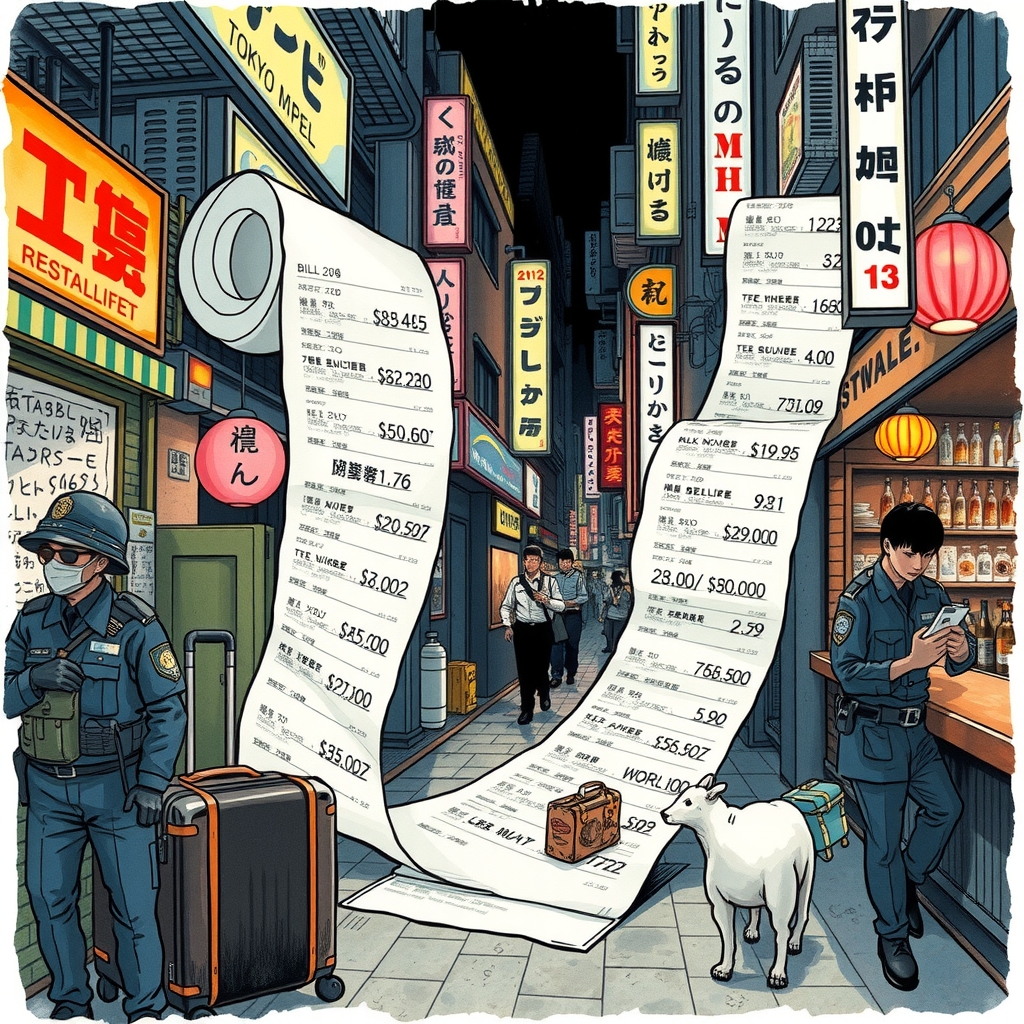
Shortly after 1:30 a.m. on November 11, 2026, riot police carrying shields lined up outside a commercial building in Kabukicho, Tokyo's largest nightlife district, and sealed its entrances. At about the same moment, a second unit took up positions outside another building roughly 100 meters away. That account comes from the Asahi Shimbun, which had a reporter on the scene.
Investigators from the Metropolitan Police Department's Public Safety Division (hoan-ka), the unit that polices nightlife businesses, had gone into the buildings just before. In total, police sent about 160 officers from the division, a special investigative unit, the Shinjuku station and the riot police. The Asahi said the riot units were there in case of sudden trouble.
Police targeted two businesses. Both had drawn complaints from foreign customers who said they had been overcharged after touts on the street steered them inside.
The Charges
Five people were arrested on the spot under the fuei-ho, the Businesses Affecting Public Morals Regulation Act, which licenses bars, clubs and other venues where staff entertain customers.
- Luxor, described by the Sankei Shimbun as a karaoke bar and by Kyodo News as a bar offering hospitality: its 62-year-old manager, a Nigerian national, and one other person were arrested on suspicion of running a hospitality business without a license. Jiji Press said the allegation is that the bar had staff entertain male customers without the required permit. Kyodo said the two people arrested were a man and a woman.
- Princess, described by the Sankei as a cabaret club: its 35-year-old Japanese manager and two others were arrested on suspicion of obstructing a police inspection. According to Jiji, they locked the shop's door to keep officers out.
The Luxor manager is remaining silent, police said. The other four have admitted to the allegations, according to the Asahi and Jiji.
The Sankei reported that police estimate Luxor has taken in about ¥81.6 million (about $530,000) since opening roughly four years ago, and that Princess has taken in ¥40 million to ¥56 million since March. According to Jiji, customers had filed complaints totaling about ¥3.4 million at the two shops.
Complaints Have Surged
Police numbers released with the raid show a sharp rise in so-called bottakuri, or rip-off bar, cases.
From January through October, the Shinjuku station, which covers Kabukicho, received about 340 complaints of rip-off bars. That is about 195 to 200 more than in the same period last year, according to the Sankei and Jiji. Losses reported this year total about ¥390 million (about $2.5 million). Kyodo noted that the figure is more than double the roughly ¥140 million reported for all of last year.
Foreign visitors account for most of the rise. Kyodo reported that complaints from foreign tourists alone reached about 240, roughly three times the figure a year earlier. The Sankei said about 70% of victims were foreign and that touts were involved in about 65% of cases.
The complaints usually follow the same pattern, police said. A tout recommends a bar, the visitor has a few drinks, and the bill turns out to include large credit card charges the customer never approved. Jiji and Kyodo both reported one case in which a visitor was charged about ¥9.6 million.
Why Tourists
Police told the Sankei that foreign visitors may be targeted partly because they usually leave Japan soon after reporting a case to police, which makes follow-up hard. Jiji and Kyodo reported that police believe groups of African touts are steering visitors to rip-off bars. The department has begun handing out cards with warnings in English.
The Public Safety Division said it is investigating whether touts were involved in the two cases and whether an organized group is behind them.
Context
Kabukicho's tout problem is not new. Tokyo and other cities have tightened anti-touting ordinances, and this site has reported on similar rip-off bar arrests this year in Nagoya and Kochi. The jump in complaints from foreign visitors, however, comes as Japan's tourism boom is putting more first-time visitors on Kabukicho's streets late at night.
The arrests are allegations, not findings of guilt. Prosecutors will decide whether to indict.
Sources: The Asahi Shimbun, The Sankei Shimbun, Jiji Press and Kyodo News, all November 12, 2026, via Yahoo! News Japan. All four reported the November 11 arrests at the two Kabukicho shops under the Businesses Affecting Public Morals Regulation Act. The Asahi reported the scene, the deployment of about 160 officers and that the suspects remained silent or admitted the allegations. The Sankei reported the revenue estimates, the share of cases involving touts and the reason tourists are targeted. Jiji reported the locked door, the ¥3.4 million in complaints at the two shops and the English warning cards. Kyodo reported the rise in complaints from foreign tourists. The outlets give slightly different year-over-year increases; both versions are given above. Some outlets named the suspects; this site does not. Dollar figures are approximate. Glossary: fuei-ho = Businesses Affecting Public Morals Regulation Act; hoan-ka = Public Safety Division; bottakuri = rip-off or price-gouging bar.