The Arrests
The Osaka Prefectural Police arrested five people on November 4, 2026, most of them Vietnamese nationals, men and women. They are suspected of operating a nightclub without a license in the Minami nightlife district. The Sankei Shimbun and the Mainichi Shimbun both reported the arrests.
The charge is unlicensed operation under the fūei-hō (Businesses Affecting Public Morals Regulation Act). The case is being handled by the prefectural police's Safety Division (hoan-ka), the unit that polices nightlife and adult-entertainment businesses.
Sankei identified one suspect as Le Quang Thai, 35, a part-time worker who lives in the Kishinosato area of Osaka's Nishinari Ward. Police have not said whether the five admit the allegations.
The Allegation
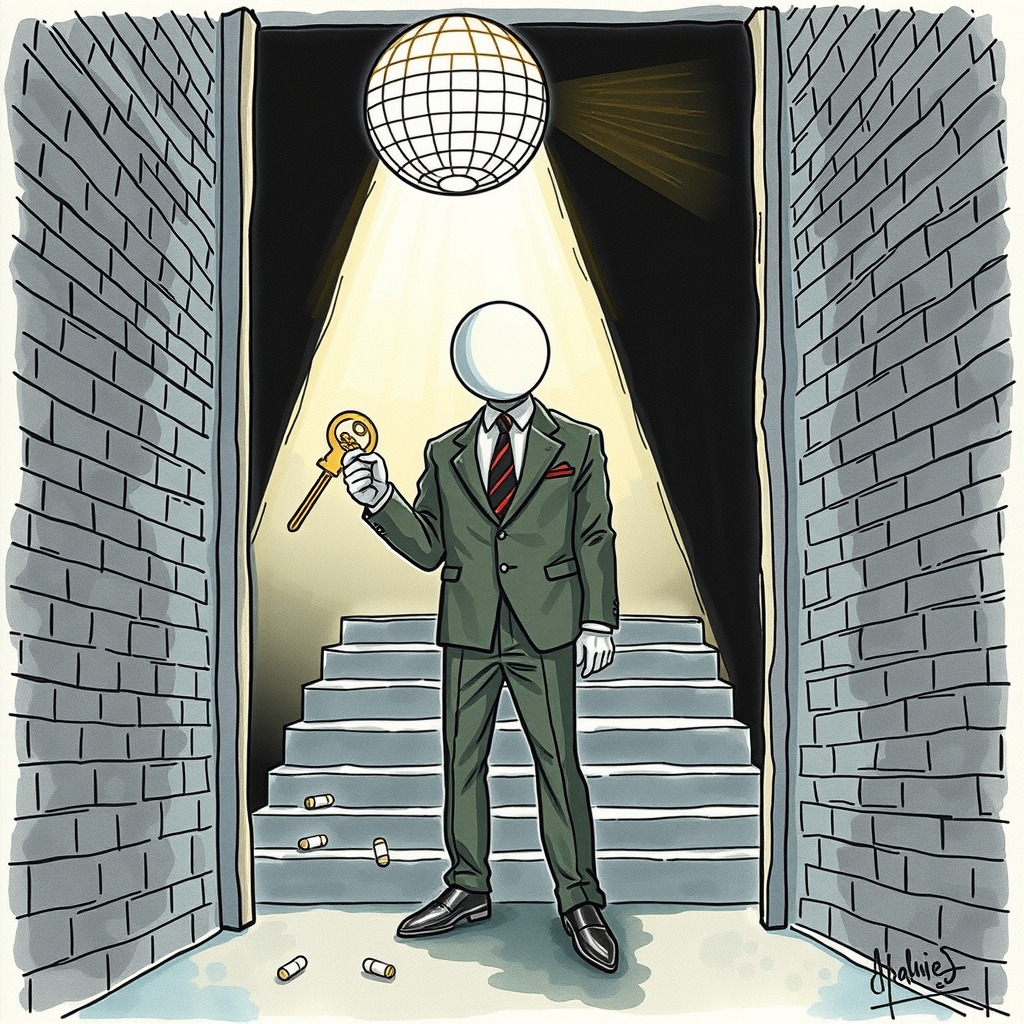
Police say that on the night of June 28, the suspects ran a nightclub inside a building in Nishi-Shinsaibashi, in Osaka's Chuo Ward, without approval from the Osaka Prefectural Public Safety Commission. Sankei reported that the club served alcohol late at night and let customers dance. Mainichi reported that the suspects are alleged to have acted together.
The venue catered to Vietnamese customers. Mainichi reported that it occupied the basement of a building known locally as the "79 Building." The seven-story building also houses Vietnamese restaurants and karaoke businesses. The nightclub has since closed.
Under the fūei-hō, any venue that serves alcohol and offers entertainment such as dancing after midnight needs a license from the prefectural public safety commission. Running one without a license is a criminal offense.
A License in Someone Else's Name
Sankei described the club as operating "without a permit." Mainichi added a detail that explains why: the club did have a license on paper, but the application had been filed under the name of a corporation that was not actually involved in running the business, police believe.
The Safety Division is investigating that corporation on suspicion of name-lending (meigi-gashi). The fūei-hō bans a licensee from letting someone else run a business under its license. The rule exists so that the commission's background checks on applicants cannot be bypassed by a front company.
Months of Raids
The arrests follow months of police action at the building.
According to Sankei, police searched the entire building in June. In August, they arrested several Vietnamese men for possessing stimulant drugs (kakuseizai, mainly methamphetamine) inside a karaoke business in the building. In October, they arrested several people connected to the nightclub on suspicion of possessing MDMA and ketamine for profit, a joint-possession charge under the Narcotics and Psychotropics Control Act.
Mainichi reported that police have searched the building several times on suspicion that it is linked to illegal drugs. Earlier arrests of Vietnamese nationals there involved immigration-law and stimulant-drug violations. Mainichi also reported that large quantities of ketamine and MDMA were seized inside the club, and that investigators believe the venue was supplying illegal drugs to customers.
Neither outlet reported that the five people arrested on November 4 face drug charges.
Why It Matters
The case shows how police use the fūei-hō as a lever against venues suspected of wider crime. A licensing charge can be brought against the people who actually ran a business even when drug cases are harder to pin on specific individuals. A name-lending investigation can also reach the corporation that lent its name.
Minami, which includes Shinsaibashi, Namba and Dotonbori, is one of Japan's largest entertainment districts. The 79 Building case is a rare look at how a venue serving one foreign community can come under nightlife-licensing, immigration and narcotics enforcement all at the same address.
Mainichi reported that the investigation into the license-holding company is continuing.
Sources: Sankei Shimbun (Sankei Digital) and Mainichi Shimbun, both November 4, 2026 (via Yahoo! News Japan). Police have not disclosed whether the suspects admit the allegations. The suspect's name is given as it appeared in Sankei's report, romanized from Japanese katakana. Glossary: fūei-hō = Businesses Affecting Public Morals Regulation Act; hoan-ka = police Safety Division (nightlife and vice enforcement); meigi-gashi = name-lending, letting another party operate under one's business license; kakuseizai = stimulant drugs, chiefly methamphetamine.