The Case
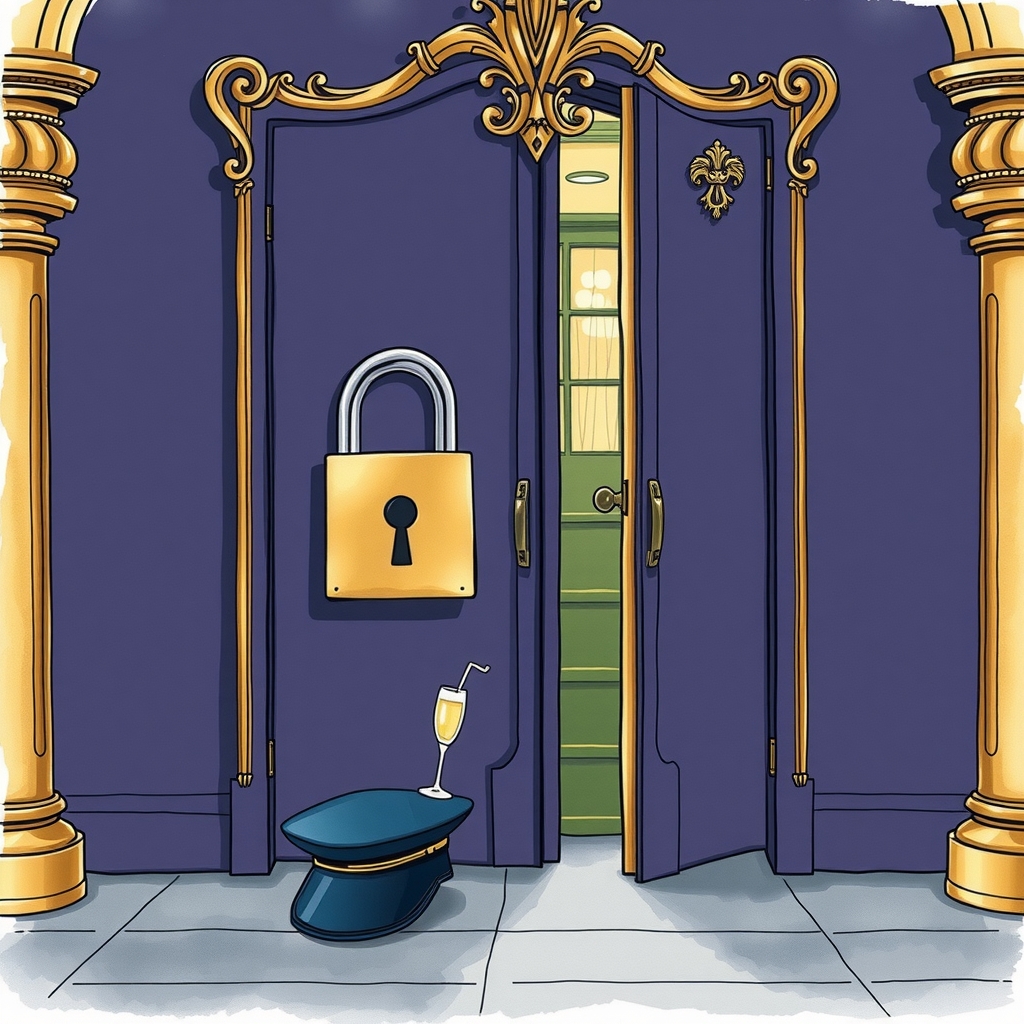
Hiroshima police have sent prosecutors the case of a host club operator they say locked his club's front door to keep officers out of a routine inspection. Local police say it is the first time anyone in the prefecture has been charged with that offense.
On October 13, 2026, the Hiroshima Central Police Station and the prefectural police's downtown and entertainment-district task force referred the case of a 31-year-old man who runs a host club in Yagenbori, Naka Ward, to prosecutors, the Chugoku Shimbun reported. The newspaper said the man lives in Hiroshima's Minami Ward. He is suspected of violating the fūei-hō, the Businesses Affecting Public Morals Regulation Act, by obstructing an on-site inspection.
The prefectural police's daily case bulletin gives the details. On June 6, as police staff moved to enter the club under the act, the operator had locked the establishment's entrance door in advance, among other steps, and so prevented them from entering the premises, the bulletin says. It describes the venue as a shakō inshokuten, the hospitality-club category that host clubs are licensed under.
Citing the Central station, the Chugoku Shimbun reported that this is the first enforcement case on this charge in Hiroshima Prefecture.
Neither source names the man or the club, and this site has not added names. Neither says whether he admits the allegation or why the door was locked.
What a Referral Means
The man was not arrested. The case went to prosecutors by shorui sōken, literally "sending the papers," which is how Japanese police hand over cases in which the suspect stays free. Prosecutors will decide whether to indict him or to issue a summary order, which usually means a fine.
The referral came a little over four months after the June inspection.
Why the Door Matters
Host clubs, where male hosts pour drinks and entertain mostly female customers, operate under the same fūei-hō license as hostess clubs. The license comes with a trade-off. A licensed venue must let police enter during business hours to check that it is following the law: closing times, age limits for staff and customers, and the pricing and sales rules that apply to the business.
Those checks have become a main tool in Japan's crackdown on host clubs. Amendments to the fūei-hō that took effect in June 2025 tightened the rules on how hosts may press customers to spend, after a wave of cases in which women ran up large debts at clubs. Police can only see whether a club is following those rules if they can get through the door.
Refusing or obstructing an inspection is an offense in its own right under the act, separate from whatever the inspection might have turned up. The referral rests on that obstruction alone. Neither source reports any other violation found at the club.
A Pattern Downtown
Yagenbori and neighboring Nagarekawa together form Hiroshima's largest nightlife district, and police have been working both areas hard this year.
In September, HOME Hiroshima Home Television reported a separate case that also involved an inspection of a host club. Police arrested a company executive in his 40s on suspicion of threatening officers who were inspecting a Nagarekawa host club at about 3:30 a.m. on August 30, after a tip that it was open past legal hours. According to the broadcaster, he told the officers that they "have families too" and should "be careful." Police believed he worked as a consultant to the club, HOME reported, and he told investigators he did not remember everything he had said. Nothing in the reports links that case to the Yagenbori club.
On September 28, Hiroshima police also arrested a 53-year-old man accused of touting a plainclothes officer in Nagarekawa in May, a case this site reported on September 29.
Sources: Chugoku Shimbun (October 13, 2026, also carried by 47NEWS), for the referral date, the investigating units, the operator's age, residence and business, the host-club description and the "first in the prefecture" detail; Hiroshima Prefectural Police daily case bulletin for October 13, 2026 (published October 14), which separately records the June 6 date, the Yagenbori location, the door locked in advance, the hospitality-club category and the referral of the 31-year-old. The Chugoku Shimbun's full text is behind a paywall; this report relies on its published lead. The August 30 Nagarekawa threat case is from HOME Hiroshima Home Television (September 14, 2026, via Yahoo! News Japan). The touting arrest is from this site's September 29, 2026 report. Glossary: fūei-hō = Businesses Affecting Public Morals Regulation Act; shorui sōken = referral of a case to prosecutors without arrest; shakō inshokuten = licensed hospitality club (hostess or host club); baishun bōshi-hō (Anti-Prostitution Act) is not at issue in this case.