The Price Is the First Thing It's Telling You
CLUB Tora no Ana Aoyama opens at ¥25,000 for sixty minutes and doesn't blink about it. In a city where you can find a delivery health shop for less than half that, a number like this is not an accident and it is not gouging — it's a filter. A high-class deriheru sets its floor high on purpose, because the price is doing the same job a velvet rope does at a club: thinning the crowd before anyone even walks up. When a shop charges premium and stays in business since 2016, the market has already told you the room behind that rope has something in it.
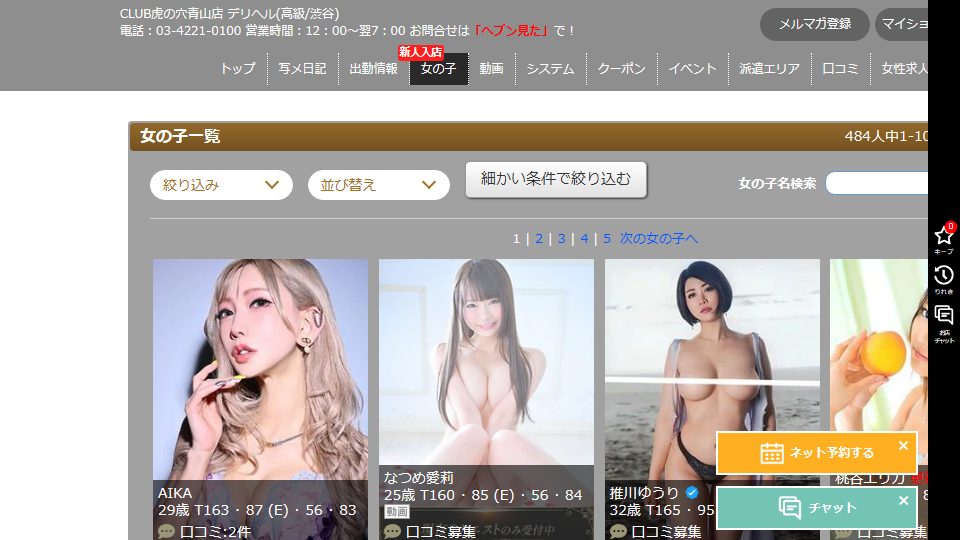
Let me set the frame so nobody wanders in confused. This is a delivery health operation — outcall, no storefront, no walk-in. You book, they dispatch a woman to your hotel room in the Shibuya–Aoyama corridor, and what's on the menu is the legal deriheru service, not a soapland's. It runs noon to 7 the next morning, sits in the high-class (kōkyū) tier of the genre, and it's one node in a national group of something like 73 affiliated shops — Osaka, Fukuoka, the works. The hook it leans on hard is talent: well-known current and former AV performers on the roster. That's the product. If you came for a bargain, you're on the wrong page. If you came for a specific name you recognize, keep reading.

Reading the Ladder, Not Just the Bottom Rung
The course structure is a clean ladder and worth reading as one. Sixty minutes runs ¥25,000–¥27,000, ninety climbs to ¥35,000–¥37,000, and two hours lands at ¥45,000–¥47,000, with entry and photo-designation fees folded into the base — which is more honest than the shops that quote you a headline and then stack surcharges at the door. The spread inside each course (that ¥25k–¥27k range) is the promo machinery: new-customer rates, daytime specials, the usual levers a shop pulls to fill the quiet noon hours and reward first-timers.
Here's the read I'd trust: at this tier, sixty minutes is a tasting, not a meal. The hour version of a deriheru spends real time on arrival, the shower, the settling-in — and at a high-class shop, where part of what you're paying for is the person and not just the clock, rushing that overhead is self-sabotage. The ¥35k ninety and the ¥45k two-hour are where the premium actually breathes. If you're going to pay Tora no Ana money, pay it for enough minutes that the front-loaded overhead becomes a rounding error instead of a third of the session. The floor price gets you in the door; it isn't where this shop is at its best.
The Tier System Is a Menu, Read It That Way
The thing that separates this shop from a generic high-class outfit is the ranking system — the roster is sorted into tiers with names like Legend, Diamond, and Gold. This is not decoration. It's a price-and-prestige map printed right on the wall, and it's telling you exactly how the shop values each woman before you spend a yen. A Legend-tier name — a performer with real public recognition — will carry a premium and a waitlist. The Gold and mid-tiers are where a first-timer gets the high-class experience without paying to unwrap a household name.
Read the tiers the way you'd read a wine list at a place you can't afford to blow: the top of the list isn't automatically your best night, it's the most expensive one. A shop that's been running a stratified roster since 2016 has learned that its bread and butter isn't the one Legend booking a month — it's the steady traffic across the middle tiers, guys who book again because the mid-shelf woman was excellent and the whole thing ran smooth. That's the tell. A tier system that's survived a decade means the shop keeps enough people happy below the marquee line to fund the marquee. Don't over-index on the top name. The value, as usual, lives one rung down.
So — Who's It For?
CLUB Tora no Ana Aoyama is for the guy who knows exactly what a high-class deriheru is and wants the version with a recognizable roster and a smooth, curated booking — a traveler with a decent hotel room in the Shibuya–Aoyama radius, or a local willing to pay tier prices for tier presentation. The noon-to-7am window makes it a real option across almost the whole day, including the late hours when the storefront trades have gone dark, and the national-group backing means a booking process that's been drilled across dozens of cities.
Worth it? On the promise it actually makes — a well-run, decade-established high-class outcall shop with genuine talent on the books and an honest, fees-included price ladder — yes, provided you buy enough minutes and read the tiers like a menu instead of a leaderboard. On any promise it doesn't make, the ones a first-timer projects onto the word "high-class," no; the price buys a better-vetted person and a cleaner night, not a different genre. Ten years in, Tora no Ana isn't selling a fantasy of exclusivity. It's selling the thing that kept it running: a stratified roster, a transparent ladder, and enough happy regulars in the middle tiers to keep the Legends worth having.
Most of this trade is a phone number hoping you don't compare it to the one next to it. A high-class shop with a public-facing roster and a decade of tier data is the opposite bet — it wants you comparing, because it's confident the woman who shows up will survive the comparison. That's a shop worth reading the ranking of carefully, and worth booking enough minutes to actually enjoy.
Summary
| Item | Rating |
|---|---|
| Roster / talent quality | ★★★★★ |
| Value at the ¥25,000 entry price | ★★★☆☆ |
| Long-course structure (90min+) | ★★★★☆ |
| Hours & reach (noon–7am, Aoyama) | ★★★★★ |
| Price transparency (fees included) | ★★★★☆ |